
AI May Be Private Label’s Biggest Opportunity Yet

Ever added something to your cart after seeing it recommended online, without actively searching for it?

You’re not alone. Increasingly, what we discover and ultimately purchase is being influenced by what algorithms choose to show us.

From personalised product recommendations in social feeds and retail apps to AI-powered shopping assistants that compare prices or suggest alternatives instantly, artificial intelligence is becoming deeply embedded in the retail experience. These systems are actively filtering choices, narrowing options and guiding consumers toward decisions in real time, often without shoppers engaging directly with individual brands at all.

For private label, this signals a major shift in how products are surfaced, evaluated and selected in increasingly automated retail environments.

 

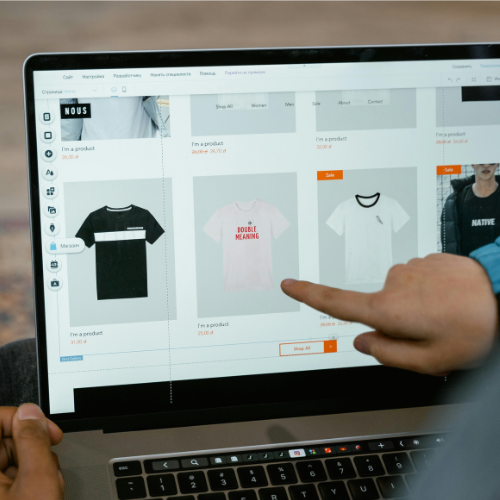
online shopping


The New Shopping Landscape

By 2028, AI may begin making shopping decisions on behalf of consumers. Generative AI tools are expected to compress traditional multi-step purchase journeys into single, algorithm-driven interactions, replacing search engines and in-store associates as the first point of product discovery.

In this emerging landscape, brand recognition may carry less weight than relevance, availability, price or past purchase behaviour. For private label, this represents a rare opportunity. As AI systems begin to prioritise value and functional fit over brand familiarity, retailer-owned brands may be able to compete more directly with established national labels on performance and convenience rather than marketing spend alone.

AI Is Redefining Discovery

Research by Deloitte reveals that 55% of consumers will trust AI recommendations as much as human associates by 2027, while 37% say they will use generative AI instead of search engines to find products. This signals a structural shift in how product discovery happens.

For private label brands, the implications is significant. Traditional levers such as shelf placement, in-store visibility and conventional advertising may begin to lose influence compared to algorithmic positioning. In AI-mediated retail environments, visibility within recommendation engines, chat-based assistants and smart retail platforms will increasingly determine which products make it into a consumer’s consideration set.

Private label products that are integrated into these systems may gain prominence alongside or even ahead of national brands, regardless of legacy awareness or marketing scale.


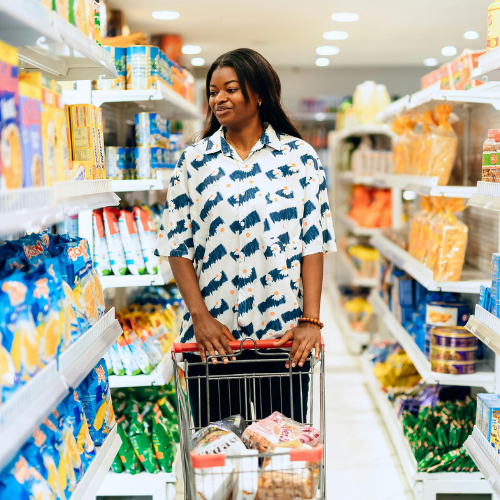
shopping in store

Brand Loyalty Is Becoming Less Deterministic

AI-led retail ecosystems are designed to prioritise individualised choices and hyper-personalised experiences. By 2026, 43% of consumers expect AI-driven shopping tools to focus more on value and product fit than on brand recognition. An equal share believes AI may weaken traditional brand loyalty by steering decisions toward relevance, price and convenience instead of familiarity.

This represents a meaningful shift in competitive dynamics. If AI systems are optimised to recommend products based on functional alignment with consumer preferences, then well-priced, high-quality private label products can gain traction even without long-established brand equity.

In an algorithm-led environment, performance data may matter more than perception, creating new opportunities for private label brands to compete on measurable value.

The Shopping Journey Is Collapsing

The traditional shopping journey, awareness, consideration, comparison and purchase may become significantly shorter in the AI era. For 35% of consumers, multi-step journeys could collapse into a single AI-driven interaction by 2027. By 2028, 65% of consumers may even allow AI tools to make purchases on their behalf based on predefined preferences, budget parameters and previous behaviour.

In these scenarios, algorithms will likely prioritise measurable attributes such as price competitiveness, availability, customer ratings and purchase history. For private label, this presents a strategic opening. Products that are deeply integrated into AI-powered recommendation systems and supported by strong product data may be selected alongside or even ahead of national brands without the traditional barriers of brand awareness or marketing dominance.

AI Shopping


Strategic Takeaways for Private Label

To remain competitive in an AI-mediated retail environment, private label strategies must evolve beyond traditional merchandising tactics.

Retailers with access to proprietary consumer data will be better positioned to influence AI-driven recommendations and refine product development accordingly. Investment in structured product data, transparent specifications and clear value positioning will become increasingly important, as AI systems rely on precise inputs to generate recommendations.

Product design and packaging strategies may also need to prioritise clarity and functional relevance over purely brand-led aesthetics. Competitive pricing will remain critical, particularly as AI tools are programmed to identify value-driven alternatives. Ensuring that private label products are integrated into AI-driven marketplaces, retail applications and digital assistants will also be essential to maintaining discoverability in increasingly automated shopping journeys.


online shop


Where Is AI In Retail Going Next?

AI is actively redefining how consumers discover, evaluate and purchase products. For private label brands, the rise of algorithm-driven retail represents both a disruption and a major opportunity. As decision-making shifts toward systems that prioritise value, relevance and measurable performance, retailer-owned brands have the chance to compete on more level ground with established national players.

In an AI-driven marketplace, the brands that win may not be the loudest, but the most relevant.

Want to stay up to date with the latest in private label-related trends? Visit prime-expo.com for more information.