

Why packaging matters—especially for Private Brands?
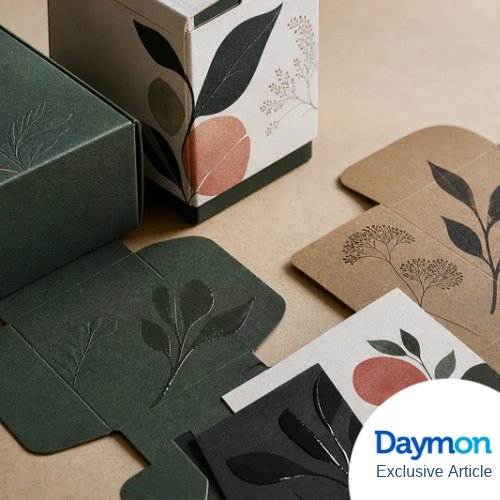
Packaging is no longer simply the layer that protects a product. For Private Brands, it has become a strategic tool that can influence how shoppers perceive a product, what they expect from it and, ultimately, whether they put it in their shopping cart. As Private Brands move beyond competing primarily on price, packaging offers retailers and manufacturers a smart way to introduce innovation, create differentiation, and connect better with consumers.
Shopping decisions often happen quickly, and packaging is one of the first meaningful interactions a shopper has with a Private Brand on the shelf. Before price, promotions or loyalty come into play, the pack needs to attract attention, communicate value and establish relevance. In this sense, packaging acts as a silent salesperson. Within seconds, it can signal a product's price positioning, quality level, and brand personality, while also building trust and giving consumers a reason to believe the product is worth choosing. If the packaging fails at this stage, other commercial tools have less opportunity to compensate: strong promotion may generate attention, but weak packaging can still undermine the product's perception once the shopper sees it. Packaging should therefore not be treated simply as decoration; it is an important part of the brand’s positioning strategy.
This is particularly relevant in categories where competing products can often look and feel similar. Differentiation can come from many elements, including materials and finishes, colour coding, visual identity, information hierarchy, and overall consistency between the product, packaging, and brand. The objective is not simply to make a package look different, but to create a clear and relevant proposition that gives shoppers a reason to choose one product over another.
Packaging can also be a practical platform for innovation. Rather than limiting innovation to the product itself, changes to the pack can improve functionality, convenience, and the overall consumer experience while giving the product an additional point of difference. Mercadona, for instance, has used an integrated cutter in cling film packaging and has also developed pre-cooked rice meals in trays suitable for both oven and microwave use. These examples demonstrate how packaging can deliver functional benefits while simultaneously helping a product stand out. The same principle applies to solutions that make products easier, safer and more convenient to use. Resealable packaging, for example, can be particularly valuable for food products, allowing consumers to open and close a pack again while helping to maintain product quality and reduce waste. Tesco Finest Smooth Chicken Liver Parfait with a Buttery Edge uses a recyclable peel-and-reseal tray and film, with the packaging clearly communicating that it can be reopened and resealed.
These innovations illustrate a broader lesson for Private Brands: packaging innovation should start with a consumer need. Sustainability, convenience, usability, and safety can all strengthen the proposition when they solve a genuine problem rather than being introduced for innovation or communication purposes alone.
This consumer-led approach also highlights why packaging should not be viewed primarily as a cost. Decisions around format, materials, structural quality, sustainability and graphics can have an impact well beyond the package itself, influencing perceived value, usability and brand credibility. Investing appropriately in packaging can improve conversion, strengthen price perception and contribute to long-term brand equity. The commercial logic is therefore compelling: a relatively modest packaging investment can influence how effectively a product competes at the point of purchase and how consumers perceive the brand over time.
For Private Brands, this creates a clear choice. They can continue to compete primarily on price, knowing competitors can respond with lower prices, or build a proposition around purpose, identity, and distinctive value. Packaging is one of the clearest levers between these two approaches. Great packaging combines a distinctive format, material or finish with a recognisable and relevant brand identity. It communicates a reason to believe that goes beyond price and creates a coherent experience across the product, pack and wider brand communication.
This is illustrated by recent changes across major retailers, which suggest that Private Brand packaging is becoming a more deliberate part of brand strategy. Target, for example, unveiled updated, more colourful packaging for its Up&Up range in 2024. Aldi US followed in 2025 with a packaging overhaul that placed its logo across its private-brand products and introduced greater consistency in typography and graphic elements. Walmart has more recently redesigned its Great Value brand, with the aim of creating a modern, more cohesive identity while making nutritional information and product distinctions easier for shoppers to navigate. David Hartman, VP of Creative at Walmart, said in a news release that the company believes great design should be accessible to everyone. “At our scale, that means creating something that works clearly and intuitively across thousands of individual items, so customers can find what matters, faster. We’ve built a system that does exactly that, bringing consistency, clarity and a sense of discovery to every shelf.” (Modern Retail)
The strongest packaging decisions therefore connect design with strategy. They make products easier to use, more relevant to consumers, more distinctive on shelf and more credible as brands. Packaging is consequently a point of differentiation, a communication channel and a direct part of the consumer experience. When treated as a strategic asset rather than an afterthought, it can help Private Brands compete on something much harder for competitors to copy—unique value.
Key Takeaways:
Packaging has evolved from a protective necessity into a strategic asset for Private Brands—helping them differentiate, communicate value, respond to consumer needs and compete beyond price. The opportunity lies in treating packaging as an integral part of brand strategy and consumer experience.
- Make packaging a strategic growth tool: Use every packaging touchpoint to communicate quality, value and positioning—and influence shoppers at the moment of purchase.
- Innovate around real consumer needs: Look beyond sustainability alone and design packaging that improves convenience, usability, safety and functionality to solve real consumer problems.
- Use packaging to build differentiation and reduce price dependency: Create distinctive, ownable packaging that strengthens Private Brand identity, builds consumer preference and drives long-term performance and sustainable growth.
About Daymon International

With more than 50 years of experience building successful Private Brand programs around the world, Daymon has developed a unique, industry-leading approach to driving sales and profits for partners and clients. Through a full suite of services, from brand strategy, branding and design to insights, category management, and product development, Daymon links its global industry knowledge, market expertise and consumer trends to create successful Private Brands. Through extensive business expertise in Private Brand development and with innovative services, Daymon drives major retailers and manufacturers’ Private Brands across Asia Pacific, Europe, Latin America, the Middle East, and Africa. Daymon International is currently part of the Smollan Group, a leading global company driving retail growth at the point of purchase with expert merchandising, activation, and tech solutions for brands, retailers, and consumer goods companies..
For more insights and recommendations for driving your brand, contact daymoninternational@daymon.com or visit https://www.linkedin.com/company/105156626/